The U.S. Postal Service (USPS) is on the precipice of a significant transformation if it aims to uphold its obligation to serve every American domicile, as articulated by Postmaster General David Steiner.
During a testimony delivered on March 17 before the U.S. House Subcommittee on Government Operations, Steiner outlined a grim narrative surrounding the deteriorating fiscal state of the USPS.
This financial predicament is attributed to a staggering decline in mail volume, plummeting from a zenith of 213 billion pieces a year to a mere 109 billion. This equates to an alarming projected revenue loss of approximately $81 billion under current operational parameters.
“No corporation could withstand such a catastrophic revenue decline,” he emphasised.
I will reiterate this repeatedly. If I were in the private sector, I would have options. With 71% of my routes operating at a loss, I could simply eliminate them.
If 80% of my stores were unprofitable, I would have the ability to cut operations, increase prices, or undertake various remedial measures… We lack those options. We are bound by mandates,” Steiner lamented.
This cautionary note is not unprecedented. The USPS has been grappling with financial losses for several years, with reform initiatives emerging in periodic waves.
| Fiscal Year | Net Loss |
|---|---|
| 2025 | $9 billion |
| 2024 | $9.5 billion |
| 2023 | $6.5 billion |
| 2022 | $5 billion |
| 2021 | $4.9 billion |
| 2020 | $9.2 billion |
| 2019 | $8.8 billion |
| 2018 | $3.9 billion |
| 2017 | $2.7 billion |
| 2016 | $5.6 billion |
What distinguishes the current situation is the immediacy of the crisis. The discourse surrounding the potential reduction of delivery days and operational tightening indicates a shift from long-term structural challenges to imminent operational threats.
This instability raises alarms for online retailers. The implications of a USPS that may become slower, more expensive, or unreliable pose significant concerns.
Further Dismal Developments
In the wake of the hearing, the USPS appeared to be confronted with additional adverse news. Numerous media outlets, including The Wall Street Journal, reported Amazon’s intention to markedly diminish the volume of parcels it dispatches via USPS.
“We engaged with [the USPS] in earnest for over a year to finalise an agreement that would yield billions in revenue; we believed progress was being made,” Amazon stated in a blog post on March 18.
“Our objective was to augment our transaction volume with USPS, not to diminish it — until the USPS unexpectedly withdrew from negotiations at the last moment in December,” they continued. “In recent years, our expenditures with USPS have exceeded $5 billion annually, and we have actively advocated on their behalf.”
Amazon’s existing contract with USPS is set to expire in September.
The Significance of USPS
Despite its financial dilemmas, the USPS continues to play an indispensable role in the e-commerce ecosystem.
The service frequently represents the most economical option for lightweight shipments, ensuring delivery to every address across the United States without incurring additional fees.
Indeed, private carriers depend on USPS for “last-mile” delivery through initiatives like UPS’s SurePost and FedEx’s SmartPost.
In essence, the USPS is not merely a competitor to UPS, FedEx, or even Amazon’s own Prime Delivery; rather, it serves as a governmental scaffolding that supports a substantial portion of the e-commerce shipping landscape.
The USPS operates in areas that other carriers do not, establishing it as the sole nationwide last-mile solution.
Proposed Transformations for USPS
The Postmaster General has suggested various measures to maintain the agency’s viability.
- Reduction in Delivery Days. Currently mandated to deliver six days per week, Steiner proposes transitioning to five days, a change that could save billions annually, albeit at the cost of expedited services.
- Closure of Post Offices. Approximately 60% of post offices operate at a financial deficit. Although the USPS has limited authority to shutter locations, broader flexibility could lead to a reduced retail presence, primarily in rural locales.
- Increasing Prices. Steiner indicated that adjustments to postage rates, including those for First Class stamps, may be inevitable. Even minor hikes could potentially generate billions in revenue, although they would simultaneously elevate shipping expenses for merchants and consumers alike.
- Regulatory and Policy Adjustments. Steiner stressed that many financial challenges arise from statutory limitations, including pricing caps and pension obligations. Proposed reforms could mitigate expenses or enhance financial agility but necessitate legislative or regulatory intervention.
- Access to Borrowing. The USPS has exhausted its $15 billion borrowing allowance, a threshold established decades ago. Raising this limit would afford immediate liquidity and facilitate ongoing operations while lawmakers deliberate over long-term solutions.
Each of these strategies presents its own complexities. Reducing services could jeopardise the USPS’s inherent value. Price augmentations might consequently diminish volume. Additionally, policy reforms hinge on achieving political consensus.
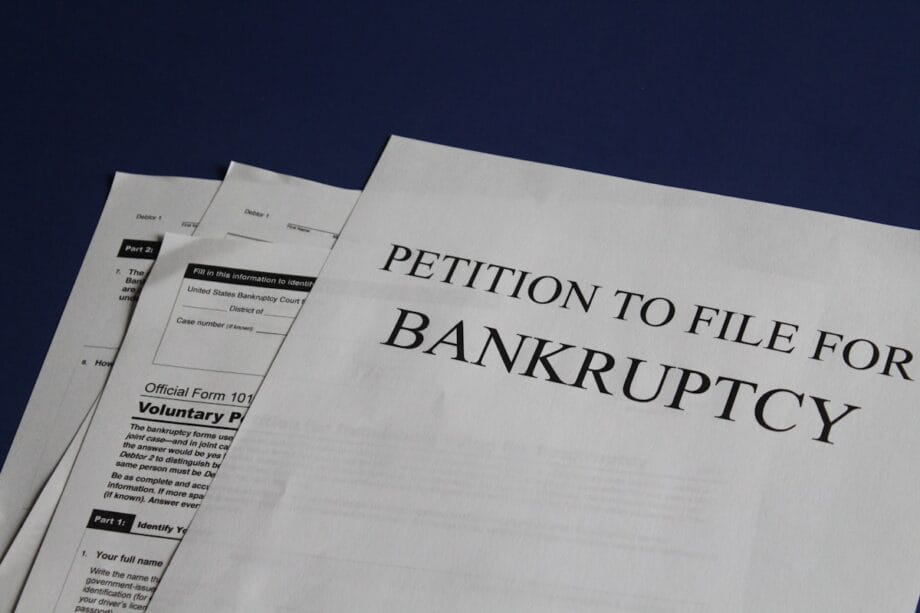
The U.S. Constitution bestows upon Congress the authority to establish and govern a national postal service. Therefore, the USPS is not subject to failure in the conventional sense of a private enterprise. It cannot merely declare bankruptcy.
Nonetheless, changes are inevitable. These modifications may follow Steiner’s proposals or adopt a more radical approach. For the time being, the e-commerce sector can only observe and await developments.
Source link: Practicalecommerce.com.